

Drone cinematography refers to the use of drones pre-loaded with cameras to be able to capture aerial video clip for cinematic purposes. It involves the particular art and technique of using drones for capturing stunning and dynamic shots from special perspectives that would otherwise be difficult or impossible to achieve with conventional filming methods.
Essential aspects of rhyme cinematography include:
High Perspectives: Drones permit filmmakers to capture breathtaking aerial landscapes and perspectives that will add depth, range, and visual interest to a movie. They can fly at varying altitudes, angles, and rates of speed, providing filmmakers with a wide range of creative alternatives for capturing photographs.
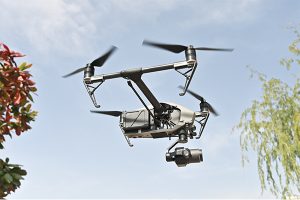
Dynamic Movement: Drones can perform clean and controlled motions, including tracking photos, panning, tilting, and even orbiting, allowing filmmakers to create powerful and immersive sequences. These movements boost the storytelling plus visual impact regarding the film.
Overall flexibility and Versatility: Drones offer filmmakers the flexibility to capture video in diverse conditions and conditions, which include remote locations, tight spaces, and challenging terrain. Their compact size and performance enable them to be able to navigate through obstacles and capture photographs from virtually any kind of angle.
Cost-Effectiveness: In contrast to traditional high filming methods regarding helicopters or marque, drone cinematography is usually often more most affordable. Drones require less crew members and even operational expenses, making aerial filming available into a wider selection of projects in addition to budgets.
Efficiency and Speed: Drones may quickly capture several shots in a new single flight, reducing the time plus effort necessary for filming. This efficiency is definitely particularly beneficial for projects with small deadlines or busy action sequences.
The original source : Drones offer a new safer replacement for manned aircraft for recording aerial footage. That they can fly at lower altitudes and operate in limited spaces without risking crew members or bystanders, minimizing the risk of accidents or accidental injuries.
Creative Expression: Treadmill cinematography opens up new possibilities intended for creative expression in addition to storytelling. Filmmakers can easily test out innovative chance compositions, camera actions, and visual results to enhance the entire cinematic experience.
Overall, drone cinematography offers revolutionized the way filmmakers capture airborne footage, offering unparalleled creative freedom, effectiveness, and cost-effectiveness. This has become a necessary tool for filmmakers seeking to push the boundaries regarding visual storytelling and immerse audiences in captivating cinematic worlds.